
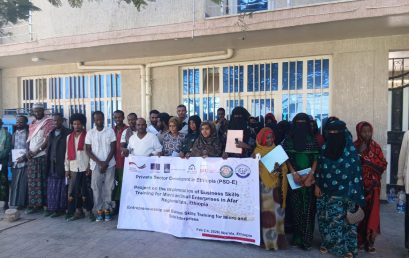
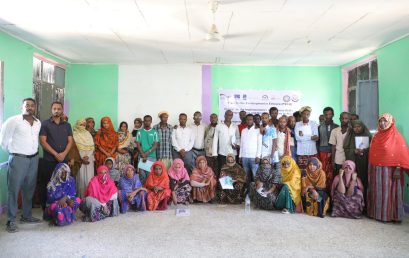
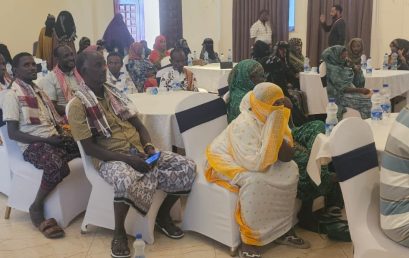
Business Skills Training for Micro and Small Enterprise in Afar Region
Project Profile
- Project Type: Collaborative
- Project Title: Implementation of Business Skills Training for Micro and Small Enterprise in Afar Regional State, Ethiopia
- Project Code: SuMoU0066
- Total amount of fund: EUR 138,720.30
- Date of Signature: November 11, 2025
- Duration: From November 11, 2025 to July 14, 2026
- Name of Signatory on behalf of Samara University: Adem Ali (Research and Tecnology Tanfer Vice President)
- Name of Signatory on behalf of GIZ PSD-E: Laura Cely (Contact Manager), Jonas Borini De Castro (Contact Manager)
- Current Status: Active
Project Team Leader:
- Name: Abdulkarim Yahya Awol (MSc in Agricultural Economics)
- Position: Technology Innovation, Incubation, and Transfer Coordinator, Samara University
- E-mail: abdulkarimyahiya@su.edu.et
- Phone number: +251940026996
Project Purpose:
Ethiopia has faced significant economic disruptions in recent years due to exacerbated conflicts, COVID-19 pandemic, climate shocks, and global crises. These challenges have weakened economic growth, slowed poverty reduction, and severely damaged critical economic infrastructure, disrupting supply chains, trade, and access to essential services. The Northern Ethiopia conflict, particularly affected the Tigray, Afar, and Amhara regions, has had profound socio-economic consequences. Livelihoods were disrupted, infrastructure destroyed, populations displaced, and key economic sectors destabilized. Micro, Small, and Medium Enterprises (MSMEs), which form the backbone of Ethiopia’s economy through job creation and income generation, were especially affected. Thousands of MSMEs were forced to shut down due to looting, asset destruction, or the displacement of owners and workers.
The Afar Region, characterized by a predominantly pastoralist economy and a limited industrial base, faces unique post-conflict recovery challenges. Many micro-enterprises operate informally and lack the technical, financial, and managerial skills required to rebuild operations, access markets, and secure financing. Post-conflict conditions have further weakened these enterprises through the loss of productive assets, skilled labor shortages, and fragmented supply chains. Limited access to finance remains a critical barrier, driven by weakened financial institutions, low creditworthiness, and inadequate financial literacy and business management capacity among MSMEs. As conflict-affected regions transition toward recovery, revitalizing MSMEs is essential for restoring economic activity, generating employment, and strengthening social cohesion particularly for vulnerable groups such as women and youth.
This project aims to enhance the resilience and sustainability of MSMEs in the Afar Region by strengthening entrepreneurial, financial, and managerial capacities and facilitating linkages with financial institutions. By addressing critical skill gaps and improving access to finance, the intervention will support enterprise recovery, stimulate local economic revitalization, promote job creation, and contribute to inclusive and sustainable growth in Ethiopia’s post-conflict context.
Project Objectives:
- To provide targeted business skills and entrepreneurship training to micro and small enterprises to improve their operational efficiency and decision-making capabilities
- To build the capacity of micro and small enterprises on financial literacy, financial management, and access formal financial services
- To foster innovation and the adoption of modern business practices that contribute to the long-term growth and sustainability of micro-enterprises in the region.
- To capacity of experts from the Afar Regional Bureau of Labor and Skills (BoLS) and university staff through targeted training and capacity-building initiatives
Project Scope:
The project will be implemented across ten selected woredas and towns (Ethiopia (Aba’ala, Awash, Aysaita, Berhale, Chifra, Dubti, Gewane, Logiya, Mille, and Semera) in the Afar Region and will focus on a comprehensive, market-oriented recovery approach that combines skills development, business skill training, mentorship, and matchmaking evet with financial service provers. Key components include:
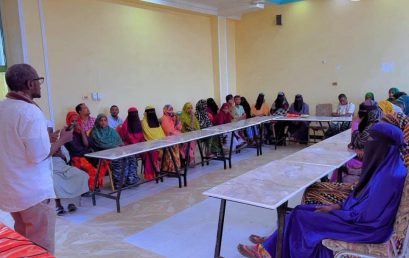
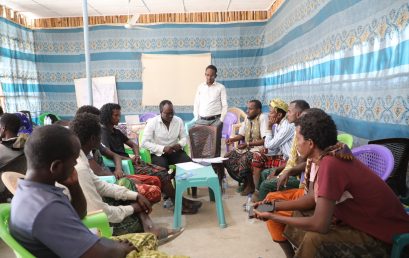
- Context-Tailored Training: Delivery of modular business training programs for 250 micro-enterprises, translated into Amharic and Afar languages. Training will cover core business and entrepreneurship skills, business plan development skills, financial literacy skill, and management skills, and growth strategies including marketing and access to finance.
- Capacity Building for Local Trainers: Certify of 40 local trainers from universities, TVET colleges, and regional government institutions through a Training of Trainers (ToT) program to ensure local ownership and long-term sustainability.
- On-job Mentorship and Coaching: Provision of personalized, one-on-one mentorship to each participating enterprise to support practical application of skills and address enterprise-specific challenges.
- Facilitating Financial Linkages: Organization of matchmaking events to connect trained entrepreneurs with banks and microfinance institutions, helping overcome barriers to finance and improve enterprise bankability.
Project Sources of Fund/Resources: The Deutsche Gesellschaft für Internationale Zusammenarbeit (GIZ) – Private Sector Development in Ethiopia (PSD-E)
Stakeholders:
- Samara University
- Private Sector Development in Ethiopia (PSD-E)
- Afar Regional State Bureau of Labor and Skills
- Afar Regional State Woreda Labor and Skills Offices
- Town Administration Labor and Skills Offices
- Adadale Polytechnic College
- Lucy Polytechnic College
- Asa’ale Polytechnic College
- Gewane Agricultural Technical and Vocational Education and Training (TVET) College
- Financial Service Providers (Banks and Microfinance Institutions)
- Private Sector Actors
- Micro and Small Enterprise (MSE) Owners