Externally Funded/Granted Projects
List of Externally Funded Project
Project-1
- Project type: Externally Funded Project
- Project Code: SU0040/2018
- Project Title: Malaria Vector Ecology and Transmission Dynamics in Urban Areas in Afar Region, Ethiopia
- Purpose/Scope: Fixed-Amount Award collaboration for Malaria Vector Ecology and Transmission Dynamics Research Work in Samara, Logia, and Dubti
- Source of Fund/Resource: Center of Excellence for Malaria Research (ICEMR-Ethiopia)
- Amount of the Fund: 30,780.00USD
- Date of Signature: July, 2025
- Project Duration: From Dece-2025 to __________
- Signatory on behalf of SU: _________________________________Position_________
- Signatory on behalf of ICEMR-Ethiopia: ___________________________Position_________
- Project Current Status: Active and Functional
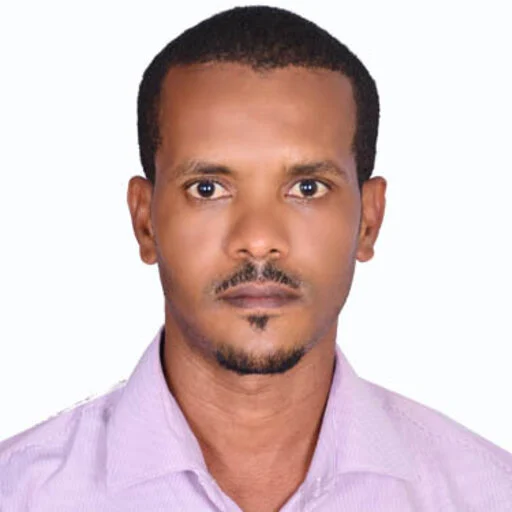
- Focal Person: Gebremedhin Gebrezgabiher (PhD in Tropical and Infectious Diseases),
- Institution: Samara University, Department of ____________
- Email: ___________________
- Phone: +251-933-321-925
Read More...
Significance of the project:
Malaria continues to be a persistent public health burden in Ethiopia, with Plasmodium falciparum and P. vivax as the predominant species. Recent increases in malaria cases, especially in urban and semi-urban areas, are driven by complex and interconnected factors including insecticide resistance, climate variability, urbanization, and the emergence of Anopheles stephensi, an invasive and highly efficient urban malaria vector.
In Ethiopia, vector control strategies largely depend on long-lasting insecticidal nets (LLINs) and indoor residual spraying (IRS). However, growing evidence of resistance in major vector species such as An. arabiensis and An. stephensi threatens the effectiveness of these interventions. Importantly, insecticide resistance is not uniform, which varies across geography and season, necessitating localized monitoring to inform targeted response strategies.
This study is particularly significant for the Afar region, where urban malaria is on the rise, especially in Samara, Dubti, and Logiya towns. Urban environments, with their construction sites, stagnant water bodies, and poor drainage, create ideal breeding conditions for mosquitoes, especially those resistant to common insecticides. Therefore, this study is designed to address these challenges by: (i) identifying temporal and geographical trends in malaria cases, and examining how these patterns correlate with environmental factors; (ii) generating molecular profiles of circulating malaria parasites, which will contribute to evidence-based recommendations for control and elimination efforts; (iii) assessing insecticide susceptibility of An. stephensi and An. arabiensis across urban settings to determine resistance patterns, thus supporting national resistance surveillance and guiding local vector control strategies; and (iv) evaluating life table parameters under different environmental conditions to understand density-dependent effects on mosquito populations and inform context-specific control measures.
