

Samara University Hands Over Tourism Development Projects to Afar Regional State Tourism Bureau
Samara University has officially handed over a package of strategic tourism development and promotional projects to the Afar Regional State Tourism Bureau, supporting the region’s efforts to strengthen destination branding, digital tourism promotion, and sustainable tourism development. 10-Year Afar Tourism Development Strategy (2026–2035)-a 172-page strategic framework for the development and promotion of Afar’s tourism sector. Link:- https://visit-afar.com/…/afar-tourism-strategy-2026… Visit Afar Official Tourism Portal-a new digital gateway showcasing Afar’s history, culture, nature, destinations, and tourism opportunities, featuring a new regional tourism brand identity. Link:- visit-afar.com Visit Afar Magazine-a 44-page publication highlighting Afar’s unique tourism assets and destinations. Link:-https://visit-afar.com/…/resour…/visit-afar-magazine.pdf Visit Afar Tourist Map-a practical guide to the region’s major tourism destinations and attractions. Link:- https://visit-afar.com/…/res…/tourist-map-visit-afar.pdf Promotional Destination Flyers, including: Afar’s Rich Nature, Culture & History Regional Overview: Download Flyer – Link:-https://visit-afar.com/…/afar-nature-culture-human… Destination Flyer: Download Flyer Link:-https://visit-afar.com/…/resources-2026-09/danakil.pdf Destination Flyer: Download Flyer Link:-https://visit-afar.com/…/resou…/erta-ale-and-danakil.pdf Explore All from Visit Afar website: visit-afar.com These initiatives demonstrate Samara University’s commitment to research, innovation, community engagement, and the sustainable development and promotion of Afar’s tourism potential.
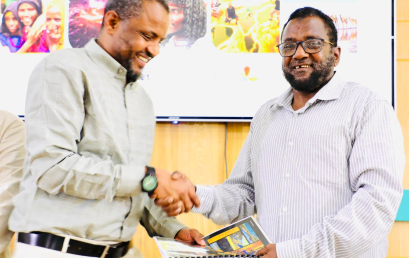
Samara University Strengthens Afar’s Tourism Development with New Strategic and Digital Resources
Samara University has completed and handed over a set of key, technology-supported tourism development and promotion documents designed to help the Afar National Regional State better document, develop, and promote its tourism resources locally and internationally. The documents were presented to the Afar Regional Tourism Bureau during a stakeholder consultation forum organized by the University. The initiative reflects Samara University’s commitment to applying its academic, research, and technical expertise to support sustainable tourism development in the region. The package includes a new tourism brand logo, “Visit Afar,” designed to represent the region’s tourism identity and values; a modern tourism portal documenting Afar’s historical, cultural, and natural attractions; an official tourist map; and a 10-year Tourism Strategic Plan. The University also prepared a tourism magazine and promotional brochures highlighting the region’s tourism resources. Speaking at the forum, Samara University President Dr. Mohammed Usman highlighted Afar’s rich natural, historical, and cultural heritage and emphasized the University’s efforts to support the systematic and modern promotion of these resources to the wider world. Dr. Mohammed noted that tourism has been identified as one of the University’s areas of focus, with the institution working to contribute research, knowledge, and technical support to the development of the sector. Mr. Ibrahim Hummed, Head of the Afar Regional Tourism Bureau, expressed appreciation for the University’s contribution and emphasized that tourism development requires the coordinated efforts of educational and research institutions, government offices, the private sector, tourism operators, and local communities. Following constructive discussions and feedback from tourism professionals and stakeholders, Dr. Mohammed Usman formally handed over the completed documents to Mr. Ibrahim Hummed, representing the Afar Regional Tourism Bureau. The consultation forum brought together Samara University leaders, academics and management members, tourism officials and professionals, hotel owners, sector stakeholders, and invited guests. Through this initiative, Samara University is contributing to the development of a stronger, more organized, and technology-enabled tourism sector in Afar, while creating a foundation for greater visibility, investment, research collaboration, and sustainable tourism development.
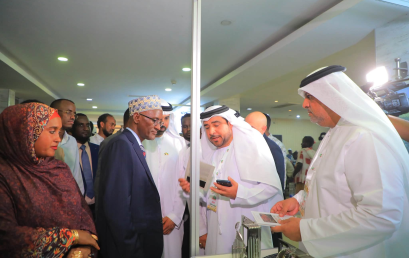
The Second Ethiopian International Date Palm Festival held in Samara Town.
The Second Ethiopia International Date Festival has officially opened in Samara City, bringing together government officials, date producers, investors, researchers, development partners, and policymakers to promote the development of Ethiopia’s date industry. The Second Ethiopian International Date Palm Festival held in Samara Town. Held from September 10–12, 2019 E.C., the festival aims to accelerate the transition of date production—particularly in the Afar Region—toward modern, sustainable agriculture while strengthening investment, innovation, technology transfer, market linkages, and knowledge exchange in the sector. Samara University is participating in the festival as a research and academic institution, showcasing its work and future plans in date production. Among its major initiatives is the Aysaita Integrated Agricultural Research and Teaching Center, where preparations are underway for a project covering approximately 2,500 hectares and targeting the cultivation of one million date palms. The University is also presenting its research achievements and exploring opportunities for collaboration in education, research, investment, technology, and market development with national and international partners. A major achievement highlighted during the festival is the recognition of a research paper by Samara University Economics lecturer and researcher Mr. Dagmawi Minilik Asfaw, titled “Determinants of Market Participation Decision and Intensity among Date Producers in Afar Region, Ethiopia: A Double Hurdle Approach.” The study received the Best Applied Scientific Research Paper in Ethiopia award in the date-production sector, along with a prize of ETB 162,380. The award was received by Samara University Vice President for Research and Technology Transfer, Mr. Adam Ali, from Afar Regional State President Haji Awol Arba. Date production provides both household consumption and income opportunities for farmers in the Afar Region and has significant potential to contribute to agricultural development and Ethiopia’s export economy. The international festival provides a platform for sharing knowledge and experience, strengthening market linkages, and creating opportunities for collaboration in research, education, investment, and technology. The festival is attended by Afar Regional State President Haji Awol Arba, UAE Ambassador to Ethiopia Abdullah Hassan Al Shamsi, Professor Abdulwahab Al-Bukhari Zaid, Secretary-General of the Khalifa International Award for Date Palm and Agricultural Innovation, and Dr. Wondale Habtamu, Deputy Director General of the Ethiopian Agricultural Authority, among other national and international participants. Through its participation, Samara University is reaffirming its commitment to research-driven agricultural development and to unlocking the potential of date production as a contributor to livelihoods, regional development, and Ethiopia’s agricultural economy.
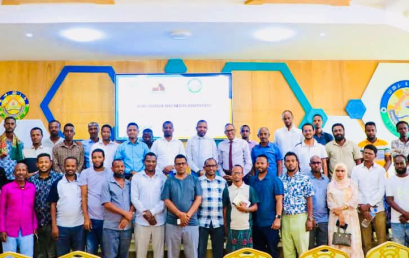
Samara University Holds Stakeholder Validation Forum on Afar Region Damage and Reconstruction Needs Assessment
Samara University has conducted a stakeholder validation forum to review and strengthen the Damage and Needs Assessment (DaNA) study examining the impacts of the northern conflict on the Afar National Regional State and the region’s priorities for recovery and reconstruction. The assessment was conducted under the leadership of researchers from Samara University and is intended to provide an evidence-based understanding of the damage sustained across the region and identify key needs to inform future reconstruction and development efforts. The validation forum brought together relevant stakeholders to review the findings presented in the assessment report, provide technical inputs, identify gaps, and share additional information. The discussion was designed to enhance the completeness, accuracy, and credibility of the assessment report. Opening the forum, Samara University President Dr. Mohammed Usman emphasized the importance of a comprehensive Damage and Needs Assessment in understanding the extent of the damage experienced across the region, identifying affected sectors, assessing the needs of communities, and appropriately guiding recovery and reconstruction interventions. Dr. Mohammed noted that the assessment is making an important contribution to the region’s recovery process. He further underscored that, once the inputs and recommendations from the stakeholder consultation are incorporated, the assessment will serve as a key evidence base for developing future reconstruction and development plans. Speaking at the forum, Mr. Nuredin Sadiq, Head of the Afar Regional Reconstruction and Construction Fund Office, highlighted the importance of jointly reviewing the data and findings contained in the assessment report. He noted that stakeholder validation of the research findings is essential for strengthening the report’s accuracy, reliability, and credibility, while ensuring that the information reflects the realities and priorities of the region. The forum provided an opportunity for technical experts and stakeholders from different sectors to examine the assessment findings and contribute sector-specific perspectives and additional information. The inputs gathered through the consultation will be considered in the finalization of the report. The forum was attended by Samara University President Dr. Mohammed Usman, Mr. Nuredin Sadiq, Head of the Afar Regional Reconstruction and Construction Fund Office, senior university leaders and management members, and technical experts representing 18 sectors of the Afar Regional State. Representatives of relevant institutions involved in the preparation and validation of the assessment report, sector offices, and development partner organizations also participated in the forum. Through the assessment and stakeholder validation process, Samara University continues to contribute its research and technical expertise to evidence-based recovery, reconstruction, and development planning in the Afar Regional State.
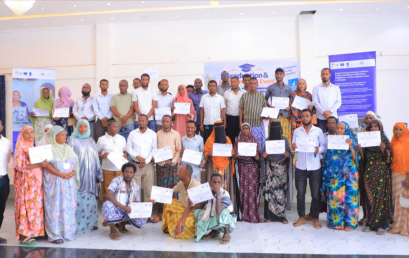
Samara University Links 100 Businesses with Financial Service Providers
Samara University, in collaboration with the Afar National Regional State Jobs and Skills Bureau and GIZ Private Sector Development in Ethiopia (PSD-E), held the third-phase Matchmaking Event with Financial Service Providers in Samara City. The forum brought together 100 micro and small enterprises from 25 districts, along with government officials, banks, microfinance institutions, and other stakeholders. The event aimed to connect trained businesses with financial institutions and improve their access to finance. The initiative also launched a program linking 50 enterprises from Berahile and Abala districts with financial service providers. Implemented over three phases in eight months, the project has reached 250 businesses across 10 districts and city administrations, with 500 direct trainees and approximately 2,500 participants. Funded by GIZ, the Government of the Netherlands, and the European Union, the project supports economic recovery, entrepreneurship, financial literacy, and business management in the Afar Regional State.
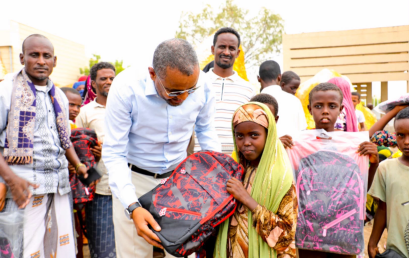
Samara University Provides Second-Round Support to Encourage Students at the Start of the New Academic Year
Samara University has provided a second round of educational support to students to help them begin the new academic year with renewed motivation and enthusiasm for learning. In an initiative aimed at encouraging young learners and supporting their educational journey, Samara University President Dr. Mohammed Usman attended a support program during which school bags were provided to 200 students. Speaking at the occasion, Dr. Mohammed emphasized the shared responsibility of parents and the wider community in ensuring that school-age children have the opportunity to attend school and remain focused on their education. He called on parents to actively support and follow up on their children’s education and urged all stakeholders to contribute to fulfilling their responsibility toward the next generation. In addition to the provision of educational materials, the event included motivational and psychosocial counseling sessions designed to encourage students, strengthen their interest in education, and help them approach the new academic year with confidence and determination. The counseling was provided by the University President and other university leaders who attended the occasion. The latest initiative builds on Samara University’s broader commitment to supporting students from disadvantaged backgrounds and promoting access to education. The University previously provided educational materials to approximately 600 primary school students in need of support during the Pagume period. The continued provision of educational resources and motivational support reflects the University’s commitment to contributing to the educational development and well-being of young learners in the community. Through such community-focused initiatives, Samara University continues to strengthen its social responsibility and contribute to creating a supportive environment in which children can pursue their education with greater motivation and opportunity.
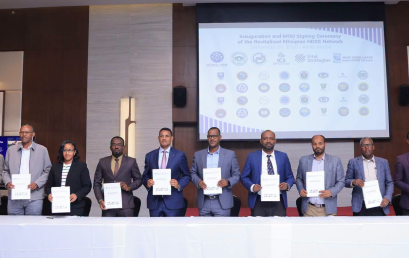
Samara University Strengthens National Health Surveillance Through Revitalized Ethiopian HDSS Network.
Samara University’s Dubti Health and Demographic Surveillance Site has joined Ethiopia’s revitalized national HDSS network, following the signing of a five-year MoU with the Ministry of Health Ethiopian and the Ethiopian Public Health Institute in Addis Ababa. Addis Ababa, September 2, 2026 — Samara University’s Dubti Health and Demographic Surveillance Site (D-HDSS) has signed a Memorandum of Understanding (MoU) with the Ministry of Health (MoH) and the Ethiopian Public Health Institute (EPHI) as part of the official inauguration of the Revitalized Ethiopian Health and Demographic Surveillance System (HDSS) Network Project. The inauguration ceremony, held in Addis Ababa on September 2, 2026, brought together leaders and representatives from the Ministry of Health, EPHI, Vital Strategies, universities, research institutions, and representatives of 16 Health and Demographic Surveillance Sites (HDSSs) across Ethiopia. The newly signed MoU marks an important step toward strengthening coordination, data systems, research, and evidence-based decision-making within Ethiopia’s national health and demographic surveillance framework. Integrating Dubti HDSS into the National Surveillance Network Under the agreement, Samara University’s D-HDSS will be integrated into the broader national network of health and demographic surveillance sites, creating stronger linkages between local-level surveillance activities and the national health information system. The partnership establishes clearly defined roles and responsibilities among the Ministry of Health, EPHI, Vital Strategies, and university-led research centers. It also aims to promote coordinated implementation, accountability, data sharing, and research collaboration among participating institutions. As part of its responsibilities, the D-HDSS will conduct field censuses and continuous household surveillance, while strengthening the monitoring and documentation of critical vital events. The surveillance activities are expected to generate reliable, locally relevant evidence that can support health planning, policy development, and research. Importantly, data generated through the D-HDSS will contribute to the National Data Management Center, helping strengthen the availability and use of timely and quality health and demographic data at the national level. Strengthening National Coordination and Data Ownership The MoU establishes the structure of the revitalized Ethiopian HDSS Network, including the roles of participating institutions, accountability mechanisms, and operating principles. The framework is designed to ensure that the national HDSS network operates with transparency, effective coordination, shared accountability, and national ownership. By bringing together surveillance sites and key national institutions under a coordinated framework, the initiative is expected to strengthen Ethiopia’s capacity to generate and utilize population-based evidence. The agreement will remain in effect for five years, subject to renewal. Any modifications or amendments to the agreement will be made in writing and mutually agreed upon by all participating parties. Samara University’s Commitment to Evidence-Based Development The partnership further demonstrates Samara University’s commitment to strengthening community-based research, health surveillance, and evidence-informed development in the Afar region and beyond. Samara University expressed its appreciation to the Ministry of Health, EPHI, Vital Strategies, and all partners for their continued collaboration and commitment to strengthening the Dubti Health and Demographic Surveillance Site. Through the revitalized national HDSS network, Samara University looks forward to contributing to a stronger national evidence base and supporting efforts to improve health outcomes through reliable, locally generated data and research.
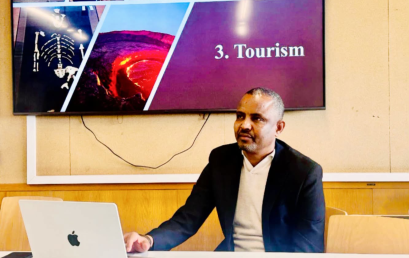
Samara University Participates in African Partner Universities Week at University of Girona, Spain.
Samara University, represented by its President, Dr. Mohammed Usman, is participating in the African Partner Universities Week, hosted by the University of Girona, Spain, marking the official launch of the recently signed MoU between the two Universities where their partnership focuses on capacity building, student and staff exchange, and the development of joint graduate programs, with a particular emphasis on tourism studies. During the event, Dr. Mohammed presented an overview of Samara University, highlighting its academic achievements, strategic priorities, and tourism as one of the University’s Centers of Excellence. His presentation introduced the University’s strengths and future aspirations to the network of African partner universities. The African partner universities, together with the University of Girona, are also engaging in discussions on an upcoming collaborative project aimed at transforming pastoral societies and improving livelihoods across Eastern Africa through research, innovation, and academic cooperation. The high-level gathering brought together representatives from Samara University (Ethiopia), Garissa University (Kenya), the University of Hargeisa (Somaliland), Puntland State University (Puntland), the University of Botswana, and the Okavango Research Institute (Botswana) to review the progress of their longstanding partnership and discuss future areas of collaboration. The participation underscores Samara University’s unwavering commitment to internationalization, strategic partnerships, research excellence, and sustainable development through impactful global collaboration. Universitat de Girona > La UdG reforça la cooperació amb universitats subsaharianes per impulsar recerca i mobilitat