

Erta Ale Volcano Exhibits Alarming Shift to Explosive Eruptions, Prompting Concern Among the Global Community.
#Samara_University_July_19_2025
The Erta Ale volcano, one of Ethiopia’s most active geological features, has begun exhibiting unusual and potentially dangerous behavior. Since July 15, 2025, volcanic activity in the region has shifted from its historically effusive nature characterized by slow, steady lava flows to more explosive eruptions marked by ash emissions and increased seismic volatility.
This unexpected transition has triggered heightened concern among the Afdera Woreda Administration, local communities, Samara University’s Geologists, and tourists alike. Traditionally, Erta Ale’s activity involved the gradual outpouring of lava, which cooled to form solidified rock. However, in recent days, these solidified lava formations have begun collapsing, producing substantial plumes of ash and releasing strong odors of sulfur dioxide, a gas known to pose respiratory health risks.
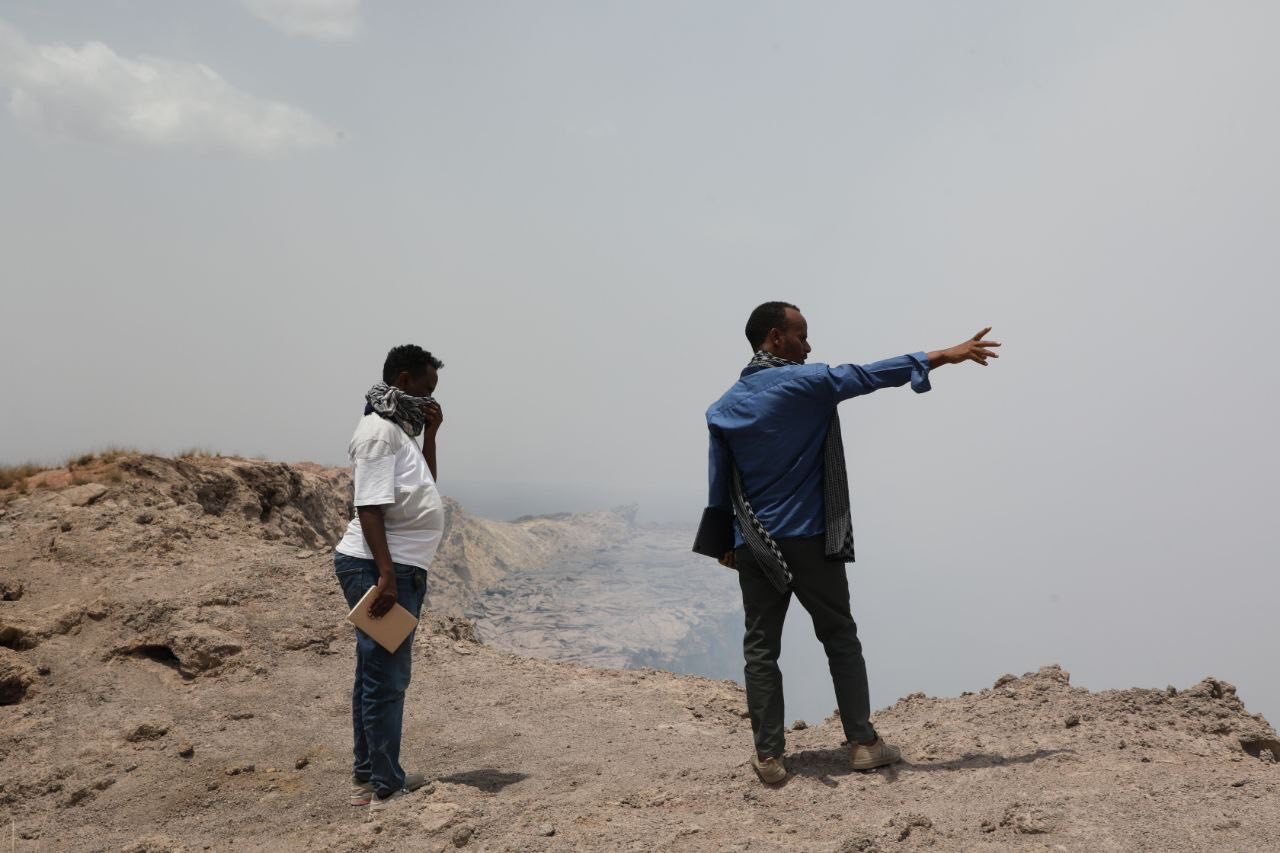
Local observers, from nearby settlements, were among the first to report signs of the new activity. According to their account, flames were initially spotted on July 15 emanating from the southern flank of the volcano, particularly in the area surrounding Hayli Gub Mountain, located approximately 10 kilometers from Erta Ale’s main crater. Shortly after the appearance of fire, large amounts of ash and dust were ejected from previously active zones.
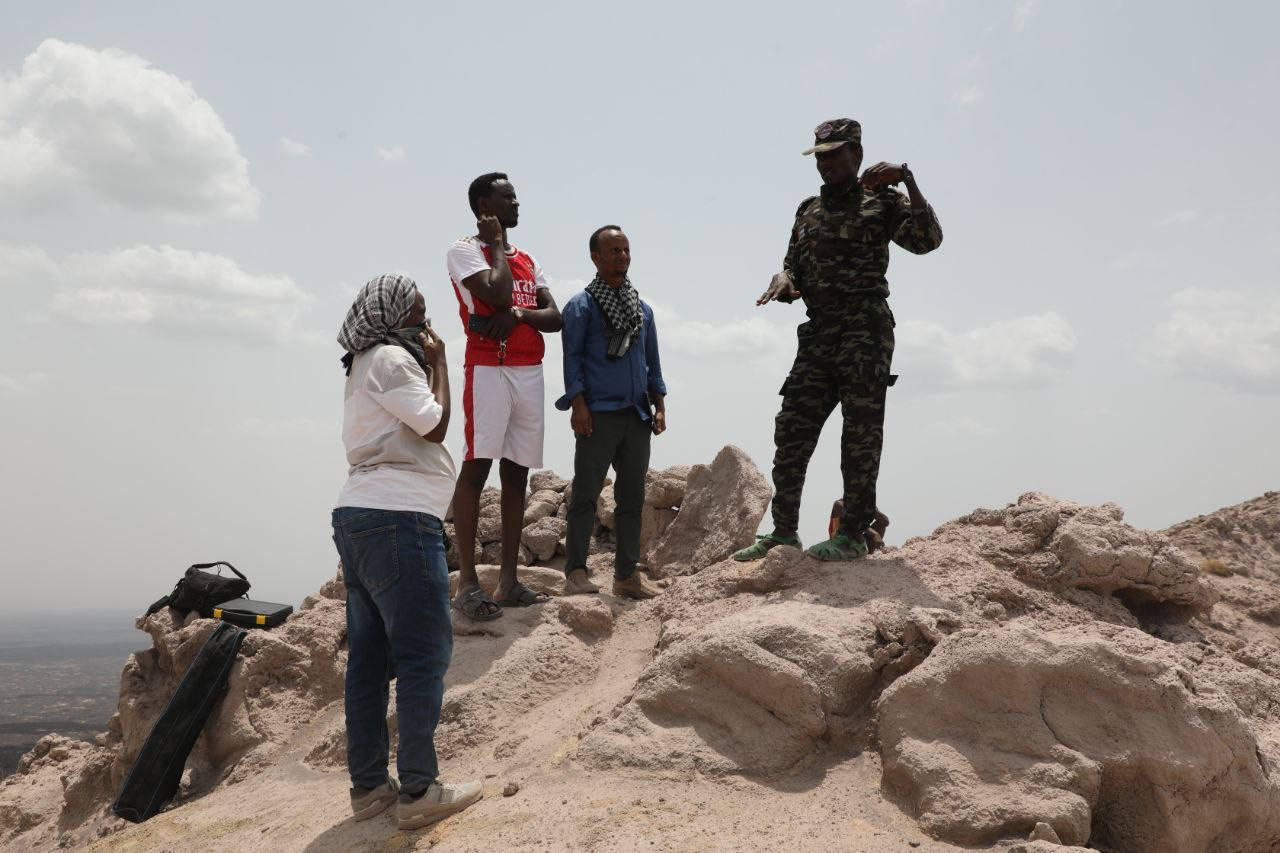
An Observation report of Samara University’s School of Earth Science Geologists Nora Yamino and his Colleague, on the eruption patterns in the following days revealed fluctuating levels of intensity. On July 18, for instance, ash emission lasted more than an hour between 5:00 PM and 8:30 PM, while in the morning the activity was brief, lasting under three minutes. This inconsistency, paired with the shift in eruption style, has prompted calls for immediate scientific investigation.
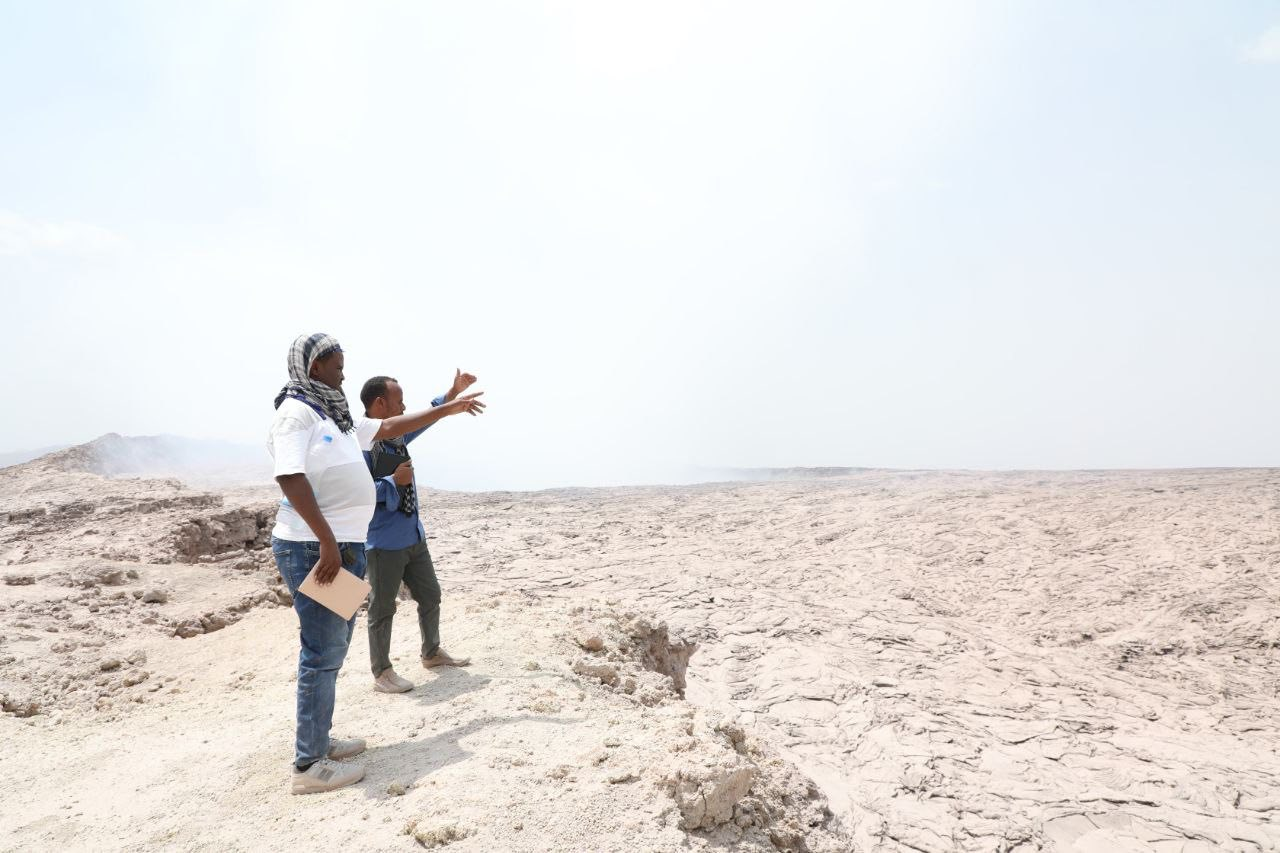
While the exact cause of the volcano’s transition to explosive behavior remains undetermined, some preliminary hypotheses have been suggested. One possible factor is the interaction between magma and groundwater, which can rapidly convert water to steam, increasing internal pressure and causing explosive fragmentation of the magma. Another plausible factor is internal structural changes, such as landslides within the volcanic edifice, which may destabilize the system and trigger violent eruptions.
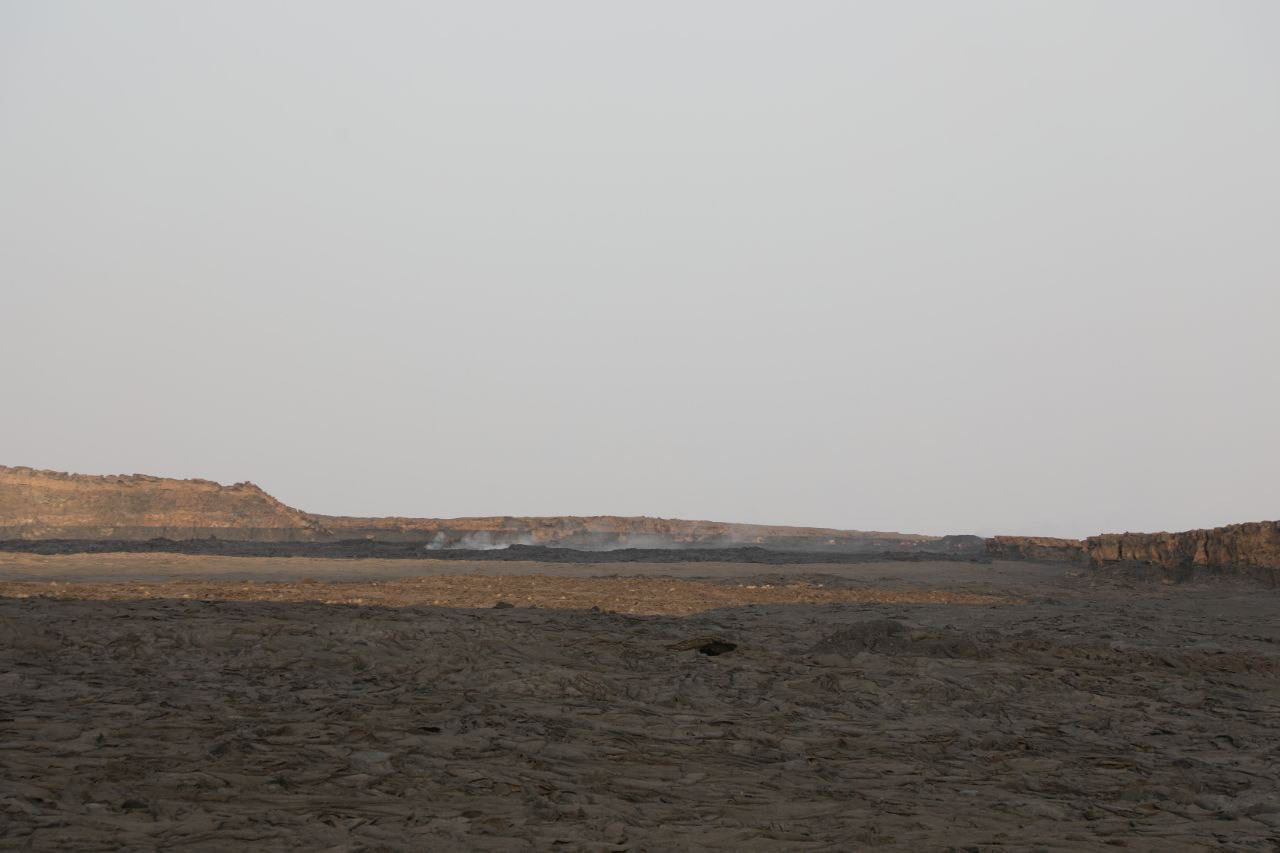
As an academic and research institution, Samara University affirms that its geologists are actively engaged in closely monitoring the ongoing volcanic activity at Erta Ale. The university urges national and international institutions, as well as the broader scientific community, to join efforts in enhancing surveillance of the volcano. It calls for coordinated support in conducting aerial surveys, gas emissions analysis, and seismic measurements to better understand and manage the evolving risks.
Erta Ale, often referred to as the “smoking mountain” by locals, is a key geological and tourist landmark within Ethiopia’s Danakil Depression. Its changing behavior marks a potentially significant turning point in the region’s natural history and a challenge for those seeking to understand and live alongside this powerful force of nature.


